Vietnam E-visa is revolutionizing the way travelers enter this vibrant Southeast Asian country. With its rich history, breathtaking landscapes, and mouthwatering cuisine, Vietnam remains a top destination for globetrotters. The introduction of the Vietnam E-visa simplifies the travel process, making it more convenient and accessible for tourists. Whether you’re planning a quick trip or an extended stay, understanding how to utilize the Vietnam E-visa efficiently can significantly enhance your experience. This comprehensive guide covers everything from applying for your Vietnam E-visa to tips for smooth entry, ensuring your journey into Vietnam is hassle-free and memorable.
The Complete Overview of Vietnam E-visa – Your Gateway to Hassle-Free Entry
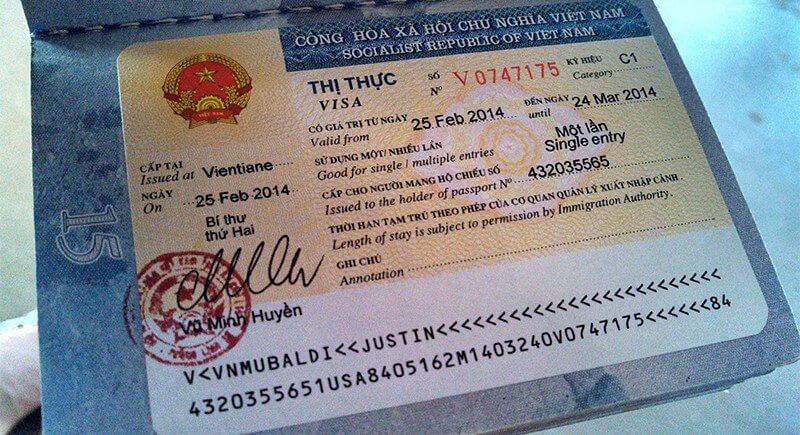
The Vietnam E-visa is an electronic travel document allowing eligible travelers to enter Vietnam without the need for a physical visa stamp or sticker. It represents a significant step forward in the country’s efforts to modernize tourism procedures and improve visitor experiences. Launched by the Vietnamese government, this initiative aims to streamline immigration processes and reduce wait times at border crossings.
The technology behind the Vietnam E-visa leverages secure digital platforms that enable travelers to apply online from anywhere in the world. By submitting necessary documents and paying fees via a dedicated portal, applicants can receive their e-visas in a timely manner—often within a few business days. This digital solution not only speeds up the application process but also provides travelers with more control and transparency about their visa status.
Understanding the scope and limitations of the Vietnam E-visa is essential. While it covers most tourist, business, and transit purposes, not all travelers or nationalities are eligible. Therefore, international tourists should verify current regulations before starting their application. As Vietnam continues to develop its digital infrastructure, the Vietnam E-visa remains a vital tool in promoting tourism and fostering easier cross-border connections.
Eligibility for Vietnam E-visa
The first step in exploring the Vietnam E-visa is confirming eligibility. Citizens of specific countries can apply for the e-visa online, which eliminates the need for traditional embassy visits. The Vietnamese government has designated a list of approved nations that benefit from this streamlined process, including many Western, Asian, and Oceanian countries.
Applicants must ensure their passport is valid for at least six months from the date of entry. Moreover, the purpose of visit should align with tourism, business, or transit. It’s important to note that e-visas are typically valid for a single entry with a stay of up to 30 days. Any travelers planning to stay longer or visit multiple times need to consider alternative visa options.
The digital application process is straightforward but requires careful preparation of documents. You will need a scanned copy of your passport bio page, a recent passport-sized photograph, and a clean background image. Ensuring all information is accurate and matches your travel documents helps avoid delays or denials. The Vietnam E-visa process emphasizes efficiency and transparency, making it an ideal choice for spontaneous or planned trips alike.
Application Process for Vietnam E-visa
Applying for the Vietnam E-visa involves several simple yet important steps to ensure a smooth experience. Before starting, gather all necessary documents, including your passport scan and digital photograph. Access the official Vietnamese government portal dedicated to e-visa applications and complete the online form carefully.
Once your application is submitted, you’ll receive a confirmation email with a tracking number. It is advisable to check the application status regularly. On average, processing times range from three to five business days, but some cases may take longer if additional verification is needed. Travelers are encouraged to apply at least a week before their intended departure date to account for any unforeseen delays.
After approval, the e-visa will be sent via email in PDF format. It’s crucial to print a clear copy and carry it alongside your travel documents. During your arrival at Vietnamese border crossings, officials will verify your e-visa electronically. Remember that digital visas are only valid for entry through designated ports, primarily international airports and certain land borders, making prior research on your entry point essential.
Tips for a Successful Vietnam E-visa Application
Securing your Vietnam E-visa is only part of the journey. To maximize your chances of approval and simplify your travel experience, consider some key tips. Ensuring all application details are accurate and consistent with your passport information prevents common errors that could cause rejection.
It’s wise to review the latest Vietnam immigration policies before submitting your application, as rules and eligible countries may change. Applying early and avoiding last-minute submissions reduces stress and provides ample time to resolve any issues. Also, use a reliable internet connection and a secure device to avoid technical glitches or security concerns during the application process.
Lastly, understanding the specific entry ports authorized for e-visa holders can prevent complications upon arrival. Always verify that your flight or land crossing is among the approved points for e-visa entry. These preparatory steps, combined with careful attention to detail, help ensure a seamless transition into Vietnam, making your trip smoother and more enjoyable.
Understanding the Limitations and Advantages of Vietnam E-visa – Comparing with Traditional Visas
While the Vietnam E-visa offers numerous benefits, it’s equally important to understand its limitations to avoid surprises or inconveniences during your trip. Comparing the Vietnam E-visa with traditional visas or other entry methods provides clarity on which option best suits your travel needs.
The advantages of the Vietnam E-visa are indeed compelling. It simplifies the application process, reduces costs associated with embassy visits, and accelerates processing times. Travelers can apply from the comfort of their home, avoid long queues at border checkpoints, and enjoy a more flexible entry process. Moreover, since e-visas are digital, they minimize paperwork and reduce the chances of lost or damaged documents.
However, the limitations are also noteworthy. The Vietnam E-visa is typically valid for a single entry and a maximum of 30 days, which may not suit travelers planning longer stays or multiple visits. It’s restricted to certain entry points and doesn’t support work, study, or other specialized visas. Additionally, some nationalities are ineligible for the e-visa, requiring travelers to pursue traditional visas via Vietnamese embassies or consulates.
Compared to traditional visas, which often require personal visits to consulates, they are more flexible for multiple entries and longer durations. The traditional route may be necessary for travelers with complex itineraries or specific visa types not covered by the e-visa. The comparison emphasizes that while the Vietnam E-visa is ideal for short-term tourists, business travelers or long-term residents should evaluate their options carefully.
Understanding these nuances allows travelers to plan effectively, ensuring their entry process aligns perfectly with their intent, duration, and travel arrangements.
How to Use Your Vietnam E-visa Effectively
Using your Vietnam E-visa efficiently involves understanding the entry procedures and preparing properly before departure. Upon arrival, immigration officers will verify your e-visa electronically, which speeds up the process compared to traditional visa stamping. To make the most of it, always carry both your printed e-visa and passport, especially if required to show additional documentation.
For travelers to maximize convenience, check your designated entry points for e-visa holders in advance. Most airports in Vietnam accept e-visas, including Tan Son Nhat in Ho Chi Minh City, Noi Bai in Hanoi, and Da Nang International Airport. Some land border crossings also support e-visa entry, but these are more limited and should be verified early.
It’s advisable to arrive at the border or airport well ahead of your scheduled flight or land crossing to allow sufficient processing time. While the system is generally efficient, peak travel periods or technical glitches can cause delays. Having backup copies of your travel documents and keeping a positive attitude can help ease the process.
In summary, the secret to using your Vietnam E-visa effectively lies in thorough preparation, timely arrival, and familiarity with the entry points. When approached correctly, your transition into Vietnam can be seamless, letting you focus more on exploring and enjoying everything this beautiful country offers.
FAQs About Vietnam E-visa – Your Top Questions Answered

Who is eligible to apply for a Vietnam E-visa?
Most travelers from approved countries can apply for the Vietnam E-visa, especially tourists, business visitors, and transit passengers. Eligibility depends on the applicant’s nationality, passport validity, and purpose of stay. It’s crucial to verify the latest official list of eligible countries before applying.
How long does it take to process a Vietnam E-visa?
Processing times for a Vietnam E-visa usually range from three to five business days. During peak travel seasons or if additional verification is needed, it may take longer. Applying well in advance ensures ample time for approval and any necessary adjustments.
Can I extend my Vietnam E-visa?
No, Vietnam E-visas are typically valid for a single entry and up to 30 days. If you wish to stay longer, you must apply for an extension or consider applying for a different visa type through Vietnamese immigration authorities or embassies.
What are the costs associated with Vietnam E-visa?
Applying for a Vietnam E-visa involves paying an application fee, which varies depending on nationality and processing speed options. Fee payments are made online during the application process and are generally non-refundable, regardless of approval status.
Is the Vietnam E-visa valid for multiple entries?
No, the standard Vietnam E-visa allows for a single entry only. For multiple entries, travelers should explore other visa options, such as a multiple-entry visa or VOA (Visa on Arrival), depending on their travel itinerary.
Conclusion
The Vietnam E-visa has transformed the way travelers explore this captivating nation, providing a faster, more efficient, and accessible entry route for eligible visitors. Its streamlined online application process, coupled with its numerous benefits, makes it an attractive option for short-term tourists and business travelers alike. However, understanding its limitations—such as validity duration, single-entry stipulation, and eligibility requirements—is key to planning a smooth journey. Proper preparation, awareness of entry points, and staying updated on policy changes will ensure you can leverage the Vietnam E-visa to experience everything this stunning country has to offer. Whether you’re discovering bustling cities, serene beaches, or lush landscapes, your adventure into Vietnam begins seamlessly with the right knowledge about the Vietnam E-visa.
Welcome to Vietnam! If you are planning a trip to our beautiful country in 2026, navigating the visa process should be the least of your worries.
At Visaonlinevietnam.com, we specialize in providing seamless, fast, and reliable visa solutions tailored for international travelers and business professionals. Whether you are visiting for the breathtaking landscapes of Ha Long Bay or attending a strategic business meeting in Ho Chi Minh City, we are here to ensure your entry is smooth and stress-free.
🌟 Our Premium Services for 2026
We offer a comprehensive range of services designed to meet every traveler’s timeline and purpose:
-
Vietnam E-Visa (Tourist Business): The most popular choice in 2026. We handle the 90-day single or multiple-entry E-visa applications with a 100% success rate.
-
Urgent Emergency Visa (The “Life Saver”): * Express: 4–8 working hours.
-
Super Urgent: 1–2 working hours (even on weekends or holidays).
-
Emergency “Last Minute”: For those already at the airport without a visa.
-
-
Business Visa (DN1/DN2): Full support for sponsorship letters and long-term stays for investors and experts.
-
VIP Airport Fast-Track: Skip the long immigration queues. Our staff will meet you at the gate, handle all paperwork, and get you through the priority lane in minutes.
-
Airport Car Pick-up: Professional private transport from the airport to your hotel.
✅ Why Choose Visaonlinevietnam.com?
| Advantages (Pros) | Considerations (Cons) |
| Speed: Fastest processing in the market (as quick as 1 hour). | Cost: Premium/Urgent services carry higher fees than standard government processing. |
| 24/7 Support: Human experts available via WhatsApp/Email anytime. | Official Ports: E-visas are only valid at 42 specific international border gates. |
| Error-Proof: We pre-check your photos and passport data to avoid “stuck” applications. | |
| VIP Treatment: Complete end-to-end service from visa to airport pickup. |
📞 Contact Us Apply Now (24/7)
Ready to start your journey? Our team is standing by to assist you in English.
-
Website:
-
Hotline / WhatsApp: (+84) 968 18 77 18
-
Email:
-
USA Support Office: +1 (972) 666-0676
-
Head Office: 56 Nguyen Cu Trinh Street, District 1, Ho Chi Minh City, Vietnam.
Don’t let paperwork delay your adventure. Contact us today for a free consultation or to expedite your 2026 Vietnam Visa!