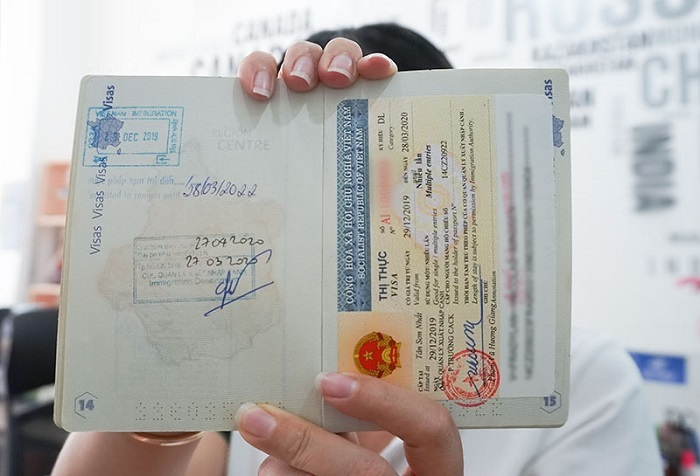
In 2026, the choice between a Single Entry and Multiple Entry visa depends entirely on your travel itinerary and whether you plan to cross Vietnam’s borders more than once. With the 90-day E-visa now standard for all nationalities, here is the breakdown to help you decide.

🆚 Quick Comparison at a Glance
| Feature | Single Entry Visa | Multiple Entry Visa |
| Number of Entries | Exactly One (1) | Unlimited during validity |
| Official E-visa Fee | $25 USD | $50 USD |
| Max Stay | Up to 90 days | Up to 90 days (per entry) |
| Exit Rule | Visa expires the moment you leave. | Visa stays valid after you leave. |
| Best For | Traditional one-country vacations. | Multi-country SEA tours or business. |
1. Single Entry Visa: The “One and Done” Option
This is the most cost-effective choice if you are flying into Vietnam, traveling around the country, and then flying home.
-
How it works: Once you pass through immigration to exit Vietnam (whether by air, land, or sea), the visa becomes void. Even if you have 80 days of validity left, you cannot re-enter.
-
Common Mistake: Travelers often book a 3-day side trip to Angkor Wat (Cambodia) or Luang Prabang (Laos), thinking they can return to Vietnam on their 90-day single entry visa. You cannot. You would need a brand-new visa to get back in.
2. Multiple Entry Visa: The “Flexibility” Option
This is the “Golden Ticket” for digital nomads and regional explorers.
-
How it works: You can enter and exit Vietnam as many times as you like within the 90-day window. There is no “cool-down” period; you can exit to Cambodia in the morning and return to Vietnam in the afternoon.
-
Why it’s smart: If you are unsure of your plans, the extra $25 is “insurance” against the stress of having to apply for an urgent $100+ “emergency visa” if you decide to take a last-minute flight to a neighboring country.

💡 Expert Decision Guide for 2026
Choose Single Entry if:
-
You are on a fixed 10–20 day itinerary within Vietnam only.
-
You are visiting Phu Quoc Island only (all nationalities get a 30-day exemption if they stay on the island, but a single-entry visa is needed if you want to visit the mainland afterward).
Choose Multiple Entry if:
-
You are using Vietnam as a regional hub (e.g., Flying into Hanoi, visiting Laos, returning to Da Nang).
-
You are a Business Traveler who may be called to a meeting in Singapore or Hong Kong at short notice.
-
You are a Cruise Ship Passenger whose ship stops at multiple Vietnamese ports (e.g., Ho Chi Minh City → Da Nang → Ha Long Bay) but leaves international waters in between.
📝 Important Reminders
-
Non-Refundable: The $25 or $50 government fee is non-refundable, even if your application is rejected due to a typo. Double-check your name and passport number!
-
Entry/Exit Ports: On your E-visa application, you must specify your intended entry port. For multiple entries, this only applies to the first time you enter. For subsequent entries, you can usually use any of the 42 allowed checkpoints.
-
No In-Country Changes: You cannot upgrade a Single Entry to a Multiple Entry visa once you are inside Vietnam. You would need to leave and apply for a new one.