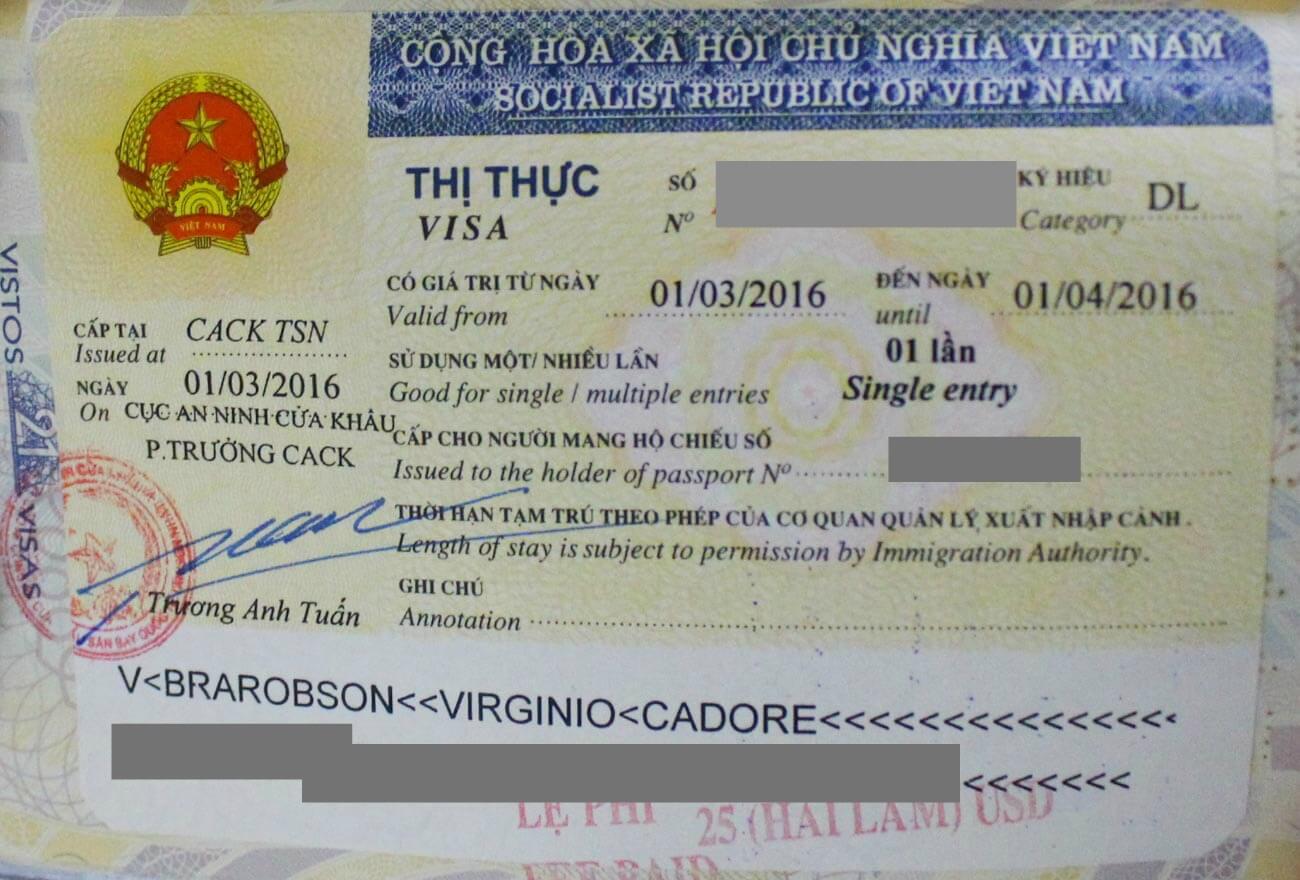
Vietnam E-visa for Hong Kong passport is an increasingly popular option for travelers looking to explore Vietnam efficiently and conveniently. With the ease of online application, Hong Kong passport holders can now enjoy a hassle-free process to obtain their visa and make their journey more enjoyable from the outset.
In this article, we’ll explore everything from the requirements for the Vietnam E-visa for Hong Kong passport holders, the application process, validity, and important tips to ensure a smooth entry into Vietnam. Whether you’re planning a quick business trip or a leisurely vacation, understanding the nuances of the Vietnam E-visa is essential to maximize your travel experience.
Understanding the Vietnam E-visa for Hong Kong Passport Holders

The Vietnam E-visa is an electronic visa issued by the Vietnamese government that allows travelers from certain countries, including Hong Kong, to enter Vietnam for tourism, business, or official visits. This digital visa option replaced the traditional paper-based processing system, streamlining the entry process for eligible travelers.
For residents of Hong Kong holding a valid passport, obtaining an E-visa for Vietnam is often simpler, faster, and more cost-effective. It eliminates the need for visiting embassies or consulates and can be processed entirely online from the comfort of your home or office.
The significance of understanding this process extends beyond just paperwork. It’s about planning a trip with confidence, ensuring compliance with Vietnam’s entry requirements, and avoiding unexpected delays or rejections upon arrival. Plus, knowing the specific rights and restrictions associated with the e-visa can greatly enhance your travel experience.
Eligibility Requirements for Hong Kong Passport Holders
Before applying for a Vietnam E-visa, Hong Kong residents need to verify they meet the eligibility criteria, which typically include holding a valid Hong Kong Special Administrative Region passport with at least six months’ validity remaining beyond the date of arrival and possessing a confirmed travel itinerary.
Additionally, the purpose of visit must usually align with tourism, business, or official purposes. E-visa applicants should also be aware that the E-visa is valid for a single entry: if you plan multiple visits, a different visa type may be necessary. Moreover, travelers must not have previous violations or overstays in Vietnam, as these could result in application denial.
It’s vital for Hong Kong passport holders to double-check the latest updates provided by the Vietnamese Immigration Department or authorized visa agencies, as policies can change, especially in response to global health situations or diplomatic negotiations.
The Scope of E-visa Validity and Duration
The Vietnam E-visa offers flexible options depending on the traveler’s needs, but generally, it allows a stay of up to 30 days with a single entry. The validity period starts from the date of approval, giving travelers enough time to plan their trip accordingly.
Travelers should note that the E-visa for Hong Kong passport holders doesn’t permit extensions or multiple entries. If you plan to visit neighboring countries or extend your stay in Vietnam, alternative visa types should be considered beforehand.
From a practical standpoint, this means Hong Kong travelers need to plan their itineraries carefully to conform to the maximum duration permitted by the E-visa to avoid overstaying penalties. Proper understanding of the validity period ensures a smooth and compliant visit, safeguarding against legal issues that may impact future travels to Vietnam or other countries in the region.
The Application and Processing Procedure
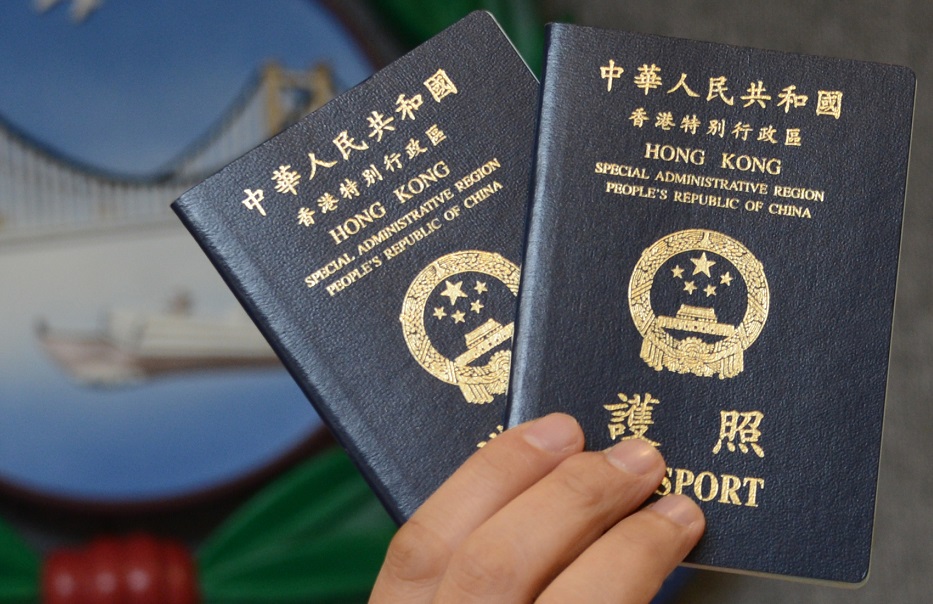
Applying for a Vietnam E-visa from Hong Kong is designed to be straightforward, emphasizing digital convenience. Once you gather the required documents and online application details, the process can typically be completed within a few days.
The entire procedure involves submitting personal details, upload passport scan, and paying the applicable fee. As a Hong Kong passport holder, it’s crucial to apply through authorized government platforms or trusted travel agencies to avoid scams or counterfeit applications.
Step-by-step Guide to Applying for the E-visa
The first step involves accessing the official Vietnam Immigration Portal or recommended visa service providers, where applicants can start their application. Input accurate personal information, travel details, and upload relevant identification documents, particularly the passport scan page.
After submitting, an online payment must be made, usually via credit or debit card, with the fee ranging depending on processing times and service providers. Standard processing takes approximately 3 to 5 working days, but expedited options are often available if you need faster approval.
Once approved, the applicant receives an electronic visa approval letter via email, which must be printed and carried along with your passport when entering Vietnam. Upon arrival, immigration officers verify the e-visa document and your passport, completing the process at the port of entry.
Tips for a Successful Application
To avoid common pitfalls during application, it’s recommended to double-check all personal data, ensure passport scans are clear, and verify your intended travel dates align with your visa validity. Using trusted visa agencies can ease the process, especially for travelers unfamiliar with Vietnamese visa policies.
It’s also advisable to apply at least two weeks before your planned departure date to accommodate processing time and potential delays. Staying informed about any updates or changes in regulations, especially amid ongoing health considerations or political shifts, can prevent inconvenience.
Finally, ensure your travel itinerary does not conflict with the visa restrictions—know the entry points and the allowed duration of stay to ensure a seamless experience upon arrival.
Important Tips for Hong Kong Travelers to Vietnam on E-visa
Traveling with an E-visa for Vietnam requires attention to detail and understanding of Vietnam’s customs and immigration rules. Proper preparation ensures you enjoy your trip without facing avoidable issues.
Pre-arrival Checklist
Prior to departure, Hong Kong travelers should ensure their passport is valid for at least six months beyond their intended stay. It’s also vital to print multiple copies of the e-visa approval letter, as some ports may request additional documentation besides your passport.
Additionally, double-check the entry and exit points accepted for e-visa holders to comply efficiently with immigration procedures. Some ports or airports have specific facilities and protocols for foreign travelers with e-visas, so planning your arrival accordingly can save time and stress.
Entry Points for Hong Kong Passport Holders
Most international airports and border crossings in Vietnam accept e-visas for Hong Kong passport holders, including major entry points like Tan Son Nhat International Airport in Ho Chi Minh City, Noi Bai International Airport in Hanoi, and Da Nang International Airport.
It’s worth noting that not all land border crossings allow e-visa holders; hence, travelers should confirm entry points beforehand or opt for international airports to benefit from the simplified process.
An essential part of the pre-travel planning involves understanding the customs regulations in Vietnam, particularly regarding currency, goods, and health documentation. Being well-prepared regarding rules about bringing in personal effects, medication, or other items can smooth the immigration process.
Staying Compliant After Arrival
During your stay, adhere to the conditions of your visa and respect local customs and laws. Overstaying your 30-day limit can lead to fines, deportation, or future travel restrictions.
In case of emergencies or changes in your travel plans that require extending your stay, consult with Vietnamese immigration authorities or trusted visa service agencies before attempting to alter your visa status. This proactive step helps avoid costly misunderstandings or legal issues.
Frequently Asked Questions about Vietnam E-visa for Hong Kong Passport Holders
Q1: Can Hong Kong residents apply for a multiple-entry Vietnam E-visa?
No, the standard Vietnam E-visa for Hong Kong passport holders is valid for a single entry only, with a maximum stay of 30 days. Multiple entries require applying for different types of visas, such as a visa on arrival or embassy-issued visas designed for multiple entries.
Q2: How long does it take to process the Vietnam E-visa for Hong Kong travelers?
Processing typically takes between 3 to 5 working days. Expedited services are often available at an additional fee, providing approvals within 1-2 days. It’s recommended to apply well in advance of your travel dates.
Q3: Can I extend my Vietnam E-visa while in Vietnam?
No, the standard E-visa does not permit extensions. If you plan to stay longer or want to visit multiple times, you should consider applying for another visa type before your trip. Longer stays or multiple entries can be accommodated with visas obtained through Vietnamese embassies or consulates.
Q4: Are there specific entry points for Hong Kong passport holders with an E-visa?
Most major airports in Vietnam accept E-visa holders, but some land border crossings may not. It’s safer to arrive via international airports such as Tan Son Nhat, Noi Bai, or Da Nang, which are fully equipped for E-visa arrivals.
Q5: What should I do if my E-visa application gets rejected?
If rejected, verify that all submitted information was accurate, ensure your passport meets the requirements, and reapply through a trusted agency or the official portal. Contacting Vietnamese immigration authorities or visa services for clarification can often resolve issues more quickly.
Conclusion
The Vietnam E-visa for Hong Kong passport holders provides a highly convenient and efficient pathway to explore one of Southeast Asia’s most vibrant countries. With its streamlined online application process, the e-visa significantly reduces travel planning hassle, allowing Hong Kong travelers to focus on preparing for their adventure. Understanding the eligibility requirements, processing steps, and entry protocols ensures a smooth journey from Hong Kong to Vietnam. By staying informed and adhering to the rules, travelers can enjoy memorable experiences in Vietnam, discovering its rich culture, stunning landscapes, and warm hospitality—safely and legally within the confines of their E-visa permissions.